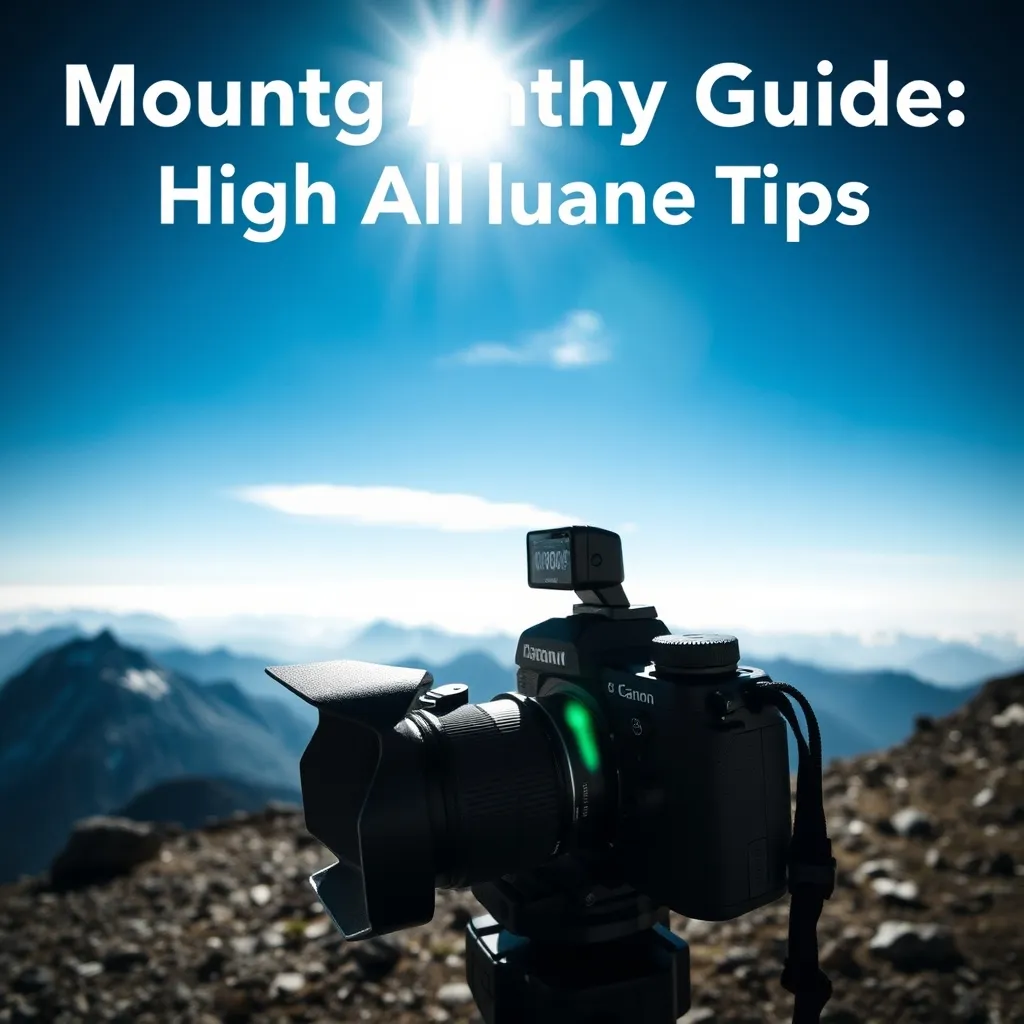
Few landscapes command attention like the rugged grandeur of mountain ranges. Whether you're scaling peaks or capturing distant ridges, high-altitude photography presents unique challenges and rewards. The thin air, dramatic light, and ever-changing weather demand preparation, but the results can be unforgettable. Here’s how to elevate your mountain shots from good to extraordinary.
Mastering Light and Weather at Altitude
Mountain environments are notorious for their unpredictability, but that volatility is part of their allure. The best light often arrives just as quickly as it vanishes, so patience is key. Arrive early to scout locations and set up before the golden hues of dawn paint the peaks. For those fleeting moments, a golden hour guide can help you anticipate and capture the magic light that defines mountain photography. Keep an eye on the sky—storm fronts rolling in can create dramatic backdrops, while clear skies offer crisp, high-contrast scenes ideal for wide-angle shots.
Weather isn’t just a backdrop; it’s a character in your story. A sudden fog can transform a familiar landscape into something mystical, while wind can add motion to clouds or grasses. To stay ahead of conditions, use apps like Windy for real-time wind and precipitation forecasts. Pack layers for your gear too—lens fogging is a common issue in rapidly changing temperatures, so allow your equipment to acclimate gradually when moving between climates.
Essential Gear and Composition Techniques
Your camera bag should be as adaptable as the terrain you’re exploring. A sturdy tripod is non-negotiable for long exposures and precise framing, especially in low-light conditions. Consider a carbon-fiber model for weight savings without sacrificing stability. For lenses, a wide-angle (14-24mm) is perfect for sweeping vistas, while a telephoto (70-200mm) can isolate distant peaks or compress layers of the landscape. Don’t overlook a polarizing filter—it cuts through atmospheric haze and enhances sky contrast, a lifesaver in high-altitude clarity.
Composition in the mountains often revolves around leading lines and layering. Trails, rivers, or ridges can guide the viewer’s eye through the frame, while foreground elements like rocks or wildflowers add depth. Shoot from elevated vantage points when possible, but also experiment with low angles to emphasize the scale of your subject. Remember, the goal isn’t just to photograph a mountain—it’s to convey the feeling of standing beneath its majesty. For more on framing techniques, DPReview’s landscape composition guide offers practical advice tailored to outdoor shooters.
Finally, respect the environment. Leave no trace, and avoid trampling fragile alpine ecosystems. The best mountain photographs are those that leave the landscape—and the viewer—unharmed and inspired.