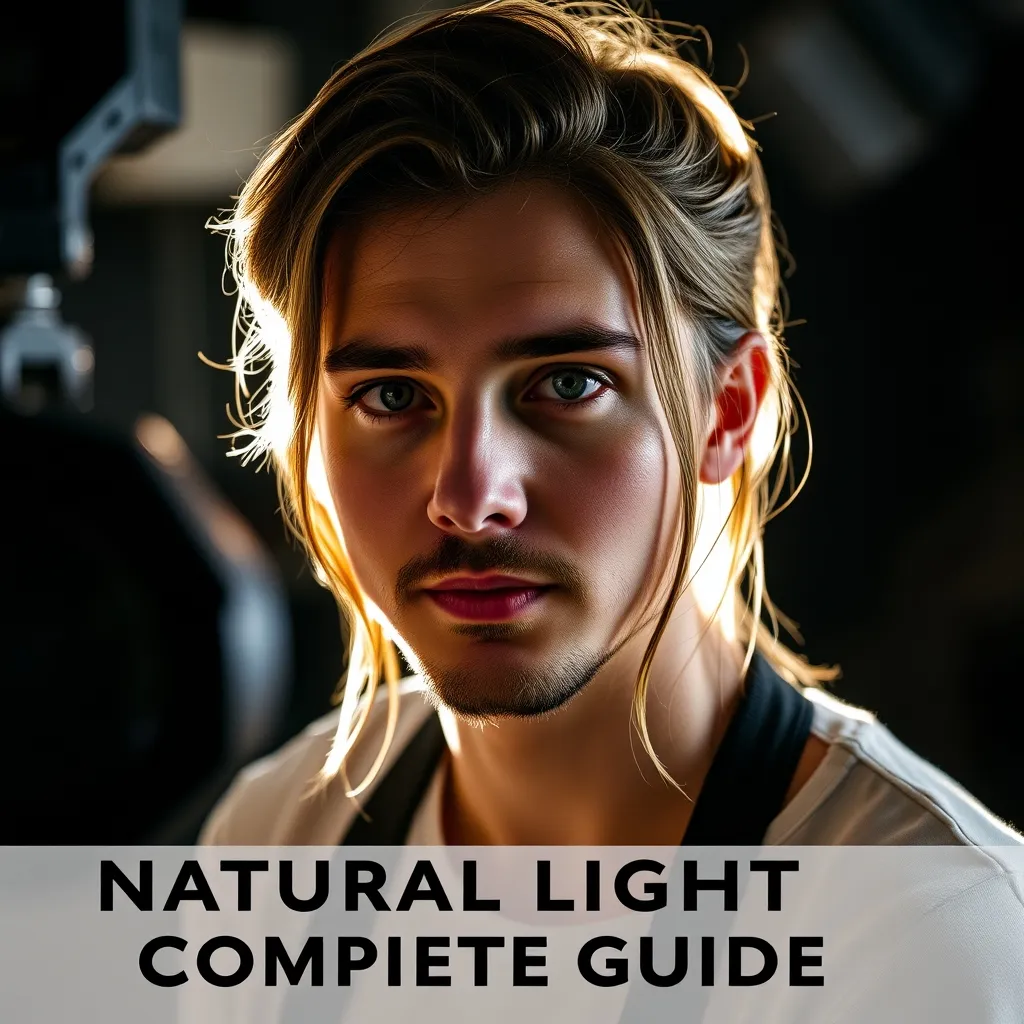
Portrait photography doesn’t always require expensive equipment or studio setups. With the right techniques, you can create breathtaking portraits using nothing more than natural light. Whether you’re shooting in golden hour or diffused midday sun, understanding how to work with available light can elevate your portraits from ordinary to extraordinary. For photographers looking to refine their approach, this guide on relaxed portraits for non-models offers practical tips to help subjects feel at ease and look their best.
Natural light is unpredictable, but that’s part of its charm. The key is learning how to harness its qualities—softness, direction, and color temperature—to craft images that feel authentic and engaging. Unlike artificial lighting, which can sometimes appear harsh or unnatural, natural light lends a sense of realism to portraits. However, it requires patience and adaptability. Shooting during the golden hour, just after sunrise or before sunset, provides a warm, flattering glow that flatters almost any subject. For a deeper dive into the technical aspects of light, DPReview’s guide on natural light breaks down how different times of day affect your images.
Mastering Light Direction and Quality
Not all natural light is created equal. The direction and quality of light can dramatically alter the mood and texture of your portraits. Side lighting, for example, emphasizes facial contours and adds depth, while front lighting can create a more even, flattering look. Overcast days provide soft, diffused light that minimizes harsh shadows, making them ideal for close-up portraits. If you’re shooting in direct sunlight, position your subject in open shade or use a reflector to bounce light back onto their face. This technique helps balance exposure and reduces the risk of squinting or unflattering shadows. Experiment with different angles to see how light interacts with your subject’s features—sometimes the most striking portraits come from the simplest setups.
Equipment and Settings for Natural Light Portraits
While natural light photography relies on what’s available, a few essential tools can help you control and enhance the light. A lightweight reflector is invaluable for bouncing light into shadows, while a diffuser can soften harsh sunlight when shooting outdoors. As for camera settings, start with a wide aperture (f/1.8–f/4) to blur the background and draw attention to your subject. A fast shutter speed (1/200s or faster) ensures sharp images, especially in bright conditions. ISO should be kept as low as possible to maintain image quality, though modern cameras handle higher ISO values well. Don’t forget to shoot in RAW format to preserve flexibility during post-processing, where you can fine-tune exposure and white balance. With these tools and techniques, natural light portraits can become a cornerstone of your photography, offering both simplicity and stunning results.