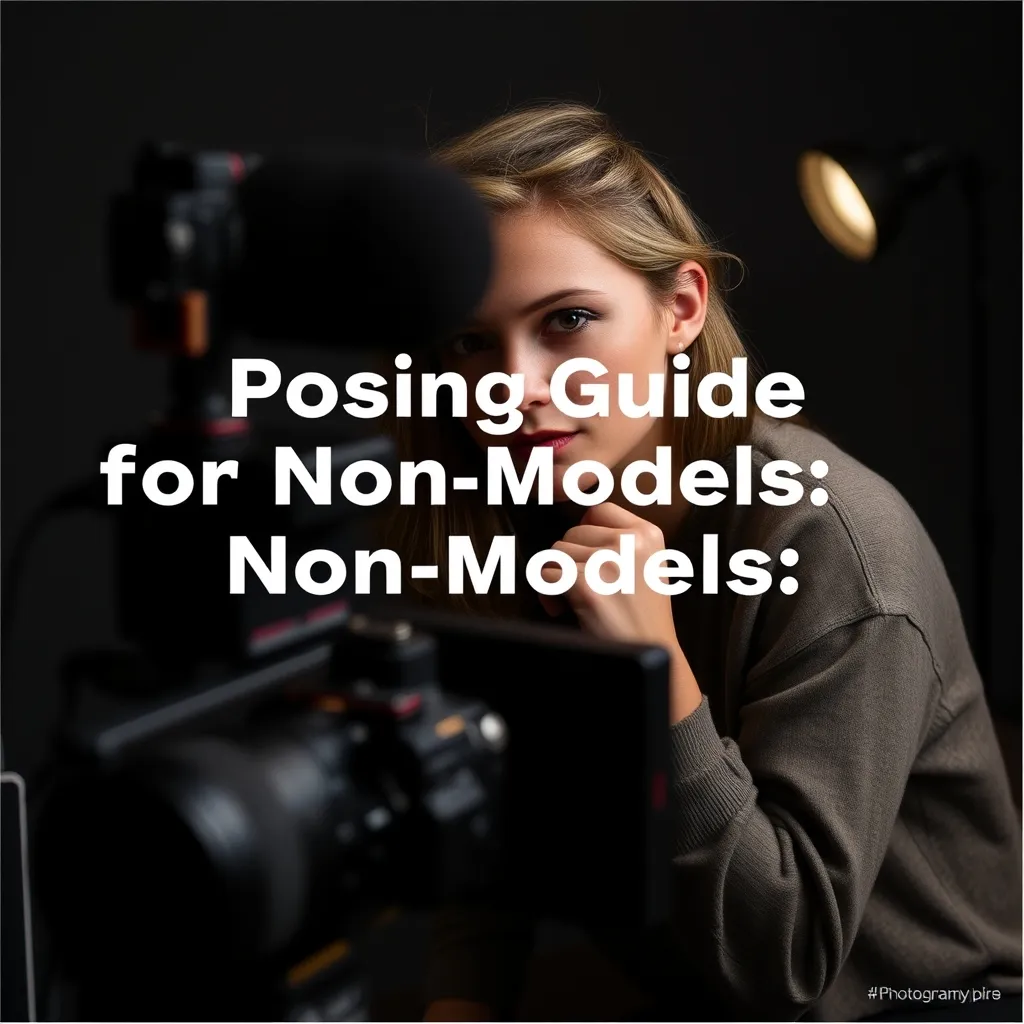
Portrait photography isn’t just for professional models—it’s for anyone who wants to capture their personality and presence in a single frame. The challenge, however, often lies in making non-models feel comfortable enough to pose naturally. A relaxed subject translates to a relaxed photograph, where genuine expressions and subtle movements create a compelling image. Whether you're shooting a friend, family member, or colleague, the key is to guide without overpowering, ensuring the session feels more like a conversation than a photoshoot.
Start by setting the tone early. Arrive prepared with a clear vision of the mood you want to convey—whether it’s warm and approachable or moody and introspective. A relaxed atmosphere begins with your own demeanor; if you’re tense, your subject will mirror that energy. Encourage them to move freely at first, perhaps by suggesting they walk around or stretch their limbs. This helps loosen up their posture and reduces the stiffness that often comes with posing. For more insights on creating a comfortable environment, consider reading our guide on natural light portrait photography, which emphasizes the importance of lighting in setting the right mood.
Simple Poses to Start With
When working with non-models, simplicity is your ally. Overly complex poses can feel unnatural and forced, so begin with foundational stances that feel intuitive. The classic "lean-in" pose, where the subject rests one hand lightly on their hip or thigh, often works well because it feels familiar and effortless. Another effective starting point is the "walking pose," where the subject takes a few steps and pauses mid-stride. This creates a sense of motion and spontaneity, which can make the portrait feel more dynamic. For inspiration on how to capture movement naturally, explore the techniques shared by DPReview’s portrait photography tips for beginners.
Facial expressions are just as critical as body language. Instead of asking your subject to "smile," try prompting them with a question or a memory that evokes genuine emotion. For example, "Tell me about a time you felt really proud of yourself" can bring out a natural, heartfelt smile. If they’re struggling to relax their face, suggest they close their eyes for a moment, then open them slowly—this often results in a softer, more relaxed expression. Remember, the goal isn’t perfection but authenticity; a slightly imperfect smile or a candid glance can make the portrait feel more relatable and real.
Encouraging Authenticity Over Perfection
The most memorable portraits are those that feel unscripted, even if they’re carefully composed. To achieve this, avoid rigid instructions and instead focus on guiding your subject toward their own version of comfort. One technique is to use the "mirror method," where you mimic the pose you’re suggesting. This not only helps them visualize the stance but also builds rapport, making the session feel more collaborative. Another approach is to incorporate props—whether it’s a favorite book, a musical instrument, or even a cup of coffee—that reflect the subject’s personality. Props can serve as a focal point, giving the subject something to interact with and easing any tension.
Finally, don’t underestimate the power of breaks. If the session starts to feel stale, take a moment to chat, share a laugh, or even step outside for fresh air. Photography is as much about connection as it is about technique, and a genuine interaction often leads to the best shots. When you prioritize authenticity over rigid poses, you’ll find that even the most camera-shy individuals can shine in front of the lens.