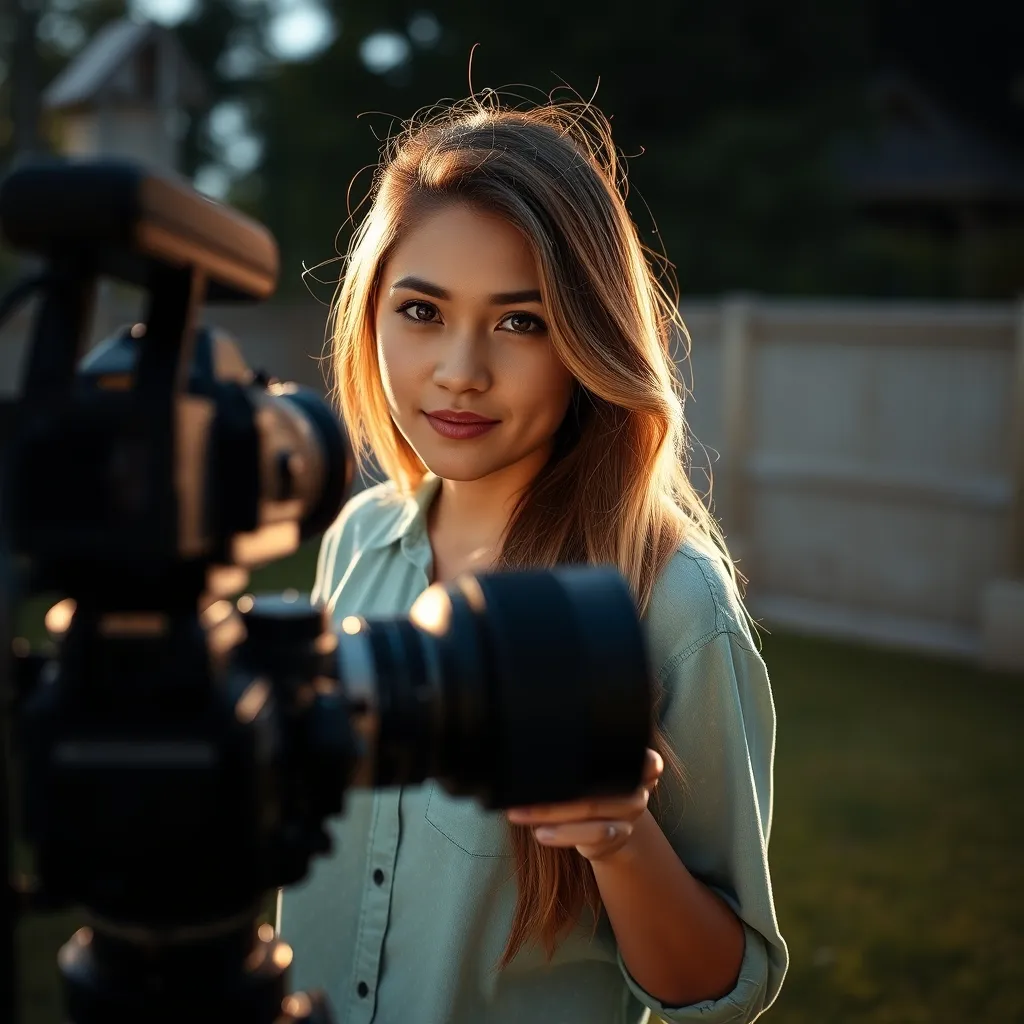
Outdoor portrait photography offers a dynamic canvas where natural light can transform a simple shot into a captivating image. However, harnessing that light effectively requires more than just pointing your camera at the sun. Whether you're shooting in harsh midday sun or the soft glow of golden hour, understanding how to manipulate and complement outdoor lighting can elevate your portraits from ordinary to extraordinary. Here’s how to make the most of your outdoor shoots.
Working with Natural Light
The most flattering portraits often rely on natural light, but not all of it is created equal. Direct sunlight can create unflattering shadows and squinting subjects, while overcast days provide a soft, even illumination that’s ideal for portraits. If you’re shooting in bright conditions, position your subject so the light hits them at a 45-degree angle to avoid harsh shadows. For a more dramatic look, try backlighting your subject with the sun just out of frame, creating a rim of light around their edges. Alternatively, natural light portrait photography techniques can help you balance exposure and avoid blown-out highlights or deep shadows.
Golden hour—the hour after sunrise or before sunset—is a portrait photographer’s best friend. The warm, diffused light during this time flatters skin tones and adds a soft glow to your images. To maximize this effect, shoot with the sun behind your subject or at a slight angle, using a reflector to bounce light back onto their face if needed. If you’re working with a harsh midday sun, seek out open shade, such as under a tree or a building overhang, to create a more even and flattering light source.
Enhancing Portraits with Artificial Light
While natural light is a powerful tool, sometimes you need to take control of the lighting yourself. Portable flash units, speedlights, or even continuous LED panels can help you shape light to fit your vision. A simple off-camera flash with a diffuser can mimic the softness of natural light while giving you the flexibility to shoot at any time of day. For a more controlled look, try using a softbox or an umbrella to diffuse the light and reduce harsh shadows.
When working with artificial light outdoors, pay attention to the color temperature. Daylight-balanced flashes and strobes will blend cleanly with natural light, but if you’re mixing sources, you may need to adjust your camera’s white balance to avoid a color cast. For a deeper dive into balancing mixed lighting, check out Adorama’s guide on light temperature and white balance. Position your light source at a 45-degree angle to your subject for a classic portrait look, or experiment with side lighting to add drama and texture to your images.
Outdoor portrait lighting doesn’t have to be complicated. By understanding the qualities of natural and artificial light, and learning to manipulate them to your advantage, you can create portraits that are both flattering and visually striking. Whether you’re shooting in the golden glow of sunset or the controlled environment of a flash-lit session, the key is to observe, adapt, and experiment until you find the perfect balance.