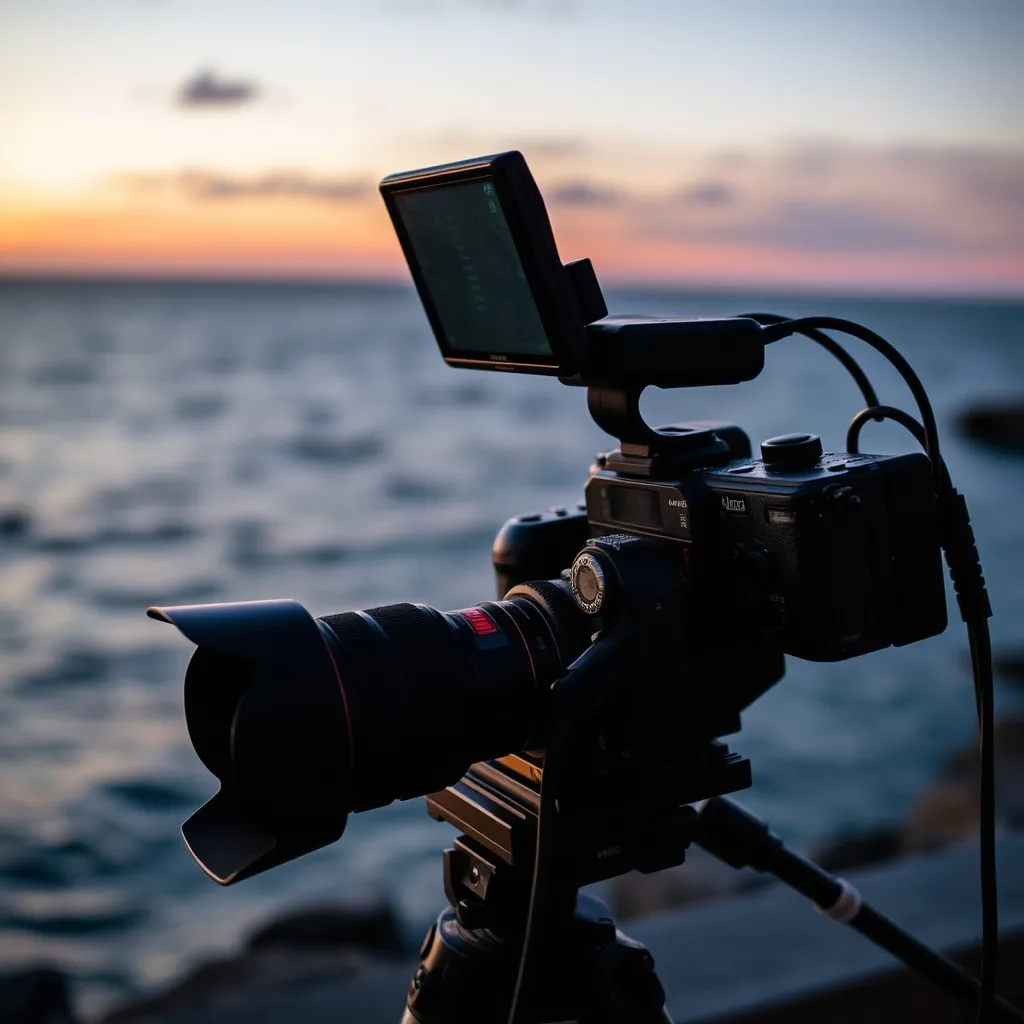
There’s something inherently captivating about the sea—its vastness, the play of light on water, and the ever-changing moods that make it a favorite subject for photographers. Whether you’re drawn to the raw power of crashing waves or the serene beauty of a calm tide, seascape photography offers endless opportunities to create dramatic and emotive images. To elevate your coastal shots, you’ll need more than just a stunning location; understanding the interplay of light, composition, and timing is key. Let’s dive into the techniques that will help you capture the sea’s essence like never before.
Mastering Light and Composition for Impactful Seascapes
Light is the lifeblood of photography, and nowhere is this more evident than in seascape imagery. The golden hours—shortly after sunrise or before sunset—bathe the horizon in warm, soft tones that add depth and dimension to your shots. For a deeper dive into harnessing this magical light, check out our Golden Hour Photography Guide: Capture Magic Light. Beyond timing, composition plays a pivotal role in creating drama. Use leading lines, such as piers or rock formations, to guide the viewer’s eye toward the horizon. Incorporate elements like driftwood, foam, or even distant sailboats to add layers and storytelling to your frame. A low angle can emphasize the grandeur of waves, while a higher vantage point might reveal intricate patterns in the water’s surface.
Don’t overlook the importance of weather and tide conditions. Stormy skies can inject mood and contrast, while a receding tide might expose hidden textures in the sand or rocks. Experiment with long exposures to smooth out choppy waters, creating a silky effect that contrasts with sharp, defined elements like cliffs or lighthouses. For inspiration on exposure settings, explore the comprehensive guide on long-exposure techniques from DPReview.
Gear and Settings: Fine-Tuning Your Seascape Setup
While creativity is paramount, having the right gear can make a significant difference in your results. A sturdy tripod is non-negotiable for seascape work, especially when shooting at slower shutter speeds or during low-light conditions. A wide-angle lens (16-35mm) is ideal for capturing expansive horizons, while a polarizing filter can help reduce glare and enhance the vibrancy of the sky and water. For those seeking sharper details, a telephoto lens (70-200mm) can isolate distant subjects like waves or birds in flight.
When setting up your shot, start with a low ISO (100-200) to minimize noise, and use a small aperture (f/8 to f/16) for a deep depth of field. If you’re aiming for motion blur in the water, a shutter speed between 1/4 and 2 seconds works well, though this may require a neutral density (ND) filter to compensate for bright light. Bracketing your exposures can also help you capture both the sky and the sea’s details without losing highlights or shadows. Remember, the sea is unpredictable—patience and adaptability are your greatest allies. By refining your technique and gear choices, you’ll be well on your way to creating seascape images that resonate with viewers long after they’ve left the shore.